

Week 7 of our National Tour
It’s been a meaningful week on the road for Wildlife Recovery Australia, with moments that capture both the urgency and the heart of what this National Tour is all about.
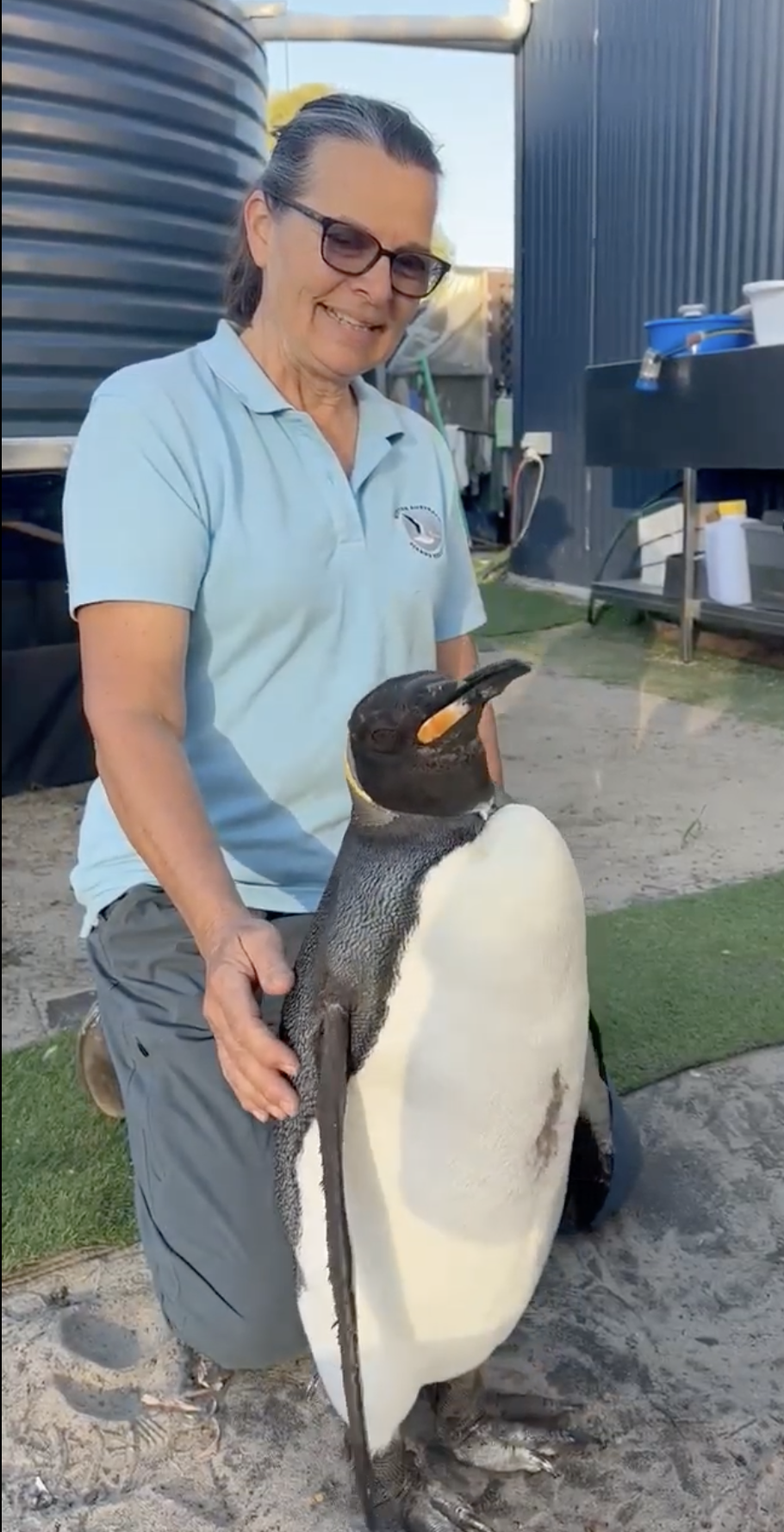
A little bit of hope when it’s needed most
As we travelled from Western Australia back into South Australia across the Nullarbor, an unexpected stop in Esperance gave us the opportunity to meet Hope, a king penguin found on Quaggy Beach during a critical stage of his life cycle known as a catastrophic moult.
During this time, penguins must come ashore for around a month to shed and regrow their entire feather coat, leaving them vulnerable and unable to feed.
Hope’s journey is remarkable. King penguins originate from Heard Island, so he was initially treated under strict biosecurity protocols. We are very relieved to share that he has tested negative for both avian influenza and Newcastle disease, meaning he can now safely undergo rehabilitation.
While in care, a swelling near his hip was identified where feathers had not shed properly. Our team supported local veterinarian Dr Alex Hockton with guidance and next steps, including X-rays and a biopsy to determine the best course of treatment.
A special thank you to the dedicated carers and veterinary team in Esperance who are working tirelessly to give Hope the best possible chance.
Stories like this are a reminder of why this work matters. Because every animal deserves a chance, and sometimes we all need a little bit of hope.
Barossa Valley: care on the frontlines
Continuing the journey east into South Australia, Wildlife Recovery Australia Hospital, Matilda, Australia’s first and only fully equipped mobile wildlife hospital, arrived in the Barossa Valley for another important stop on the National Tour.
It was a day spent alongside our friends at Barossa Wildlife Rescue, delivering hands-on veterinary care while connecting with the incredible network of local carers on the frontlines.
Among the patients seen were Honey Womble, a wombat who received a preventative tetanus injection to reduce future infection risk, and a young kangaroo joey recovering from ringworm and developmental challenges, now receiving antifungal treatment and ongoing care with local carers.
While some treatments may seem simple, they play a critical role in improving long-term health outcomes and giving animals the best possible chance of recovery.
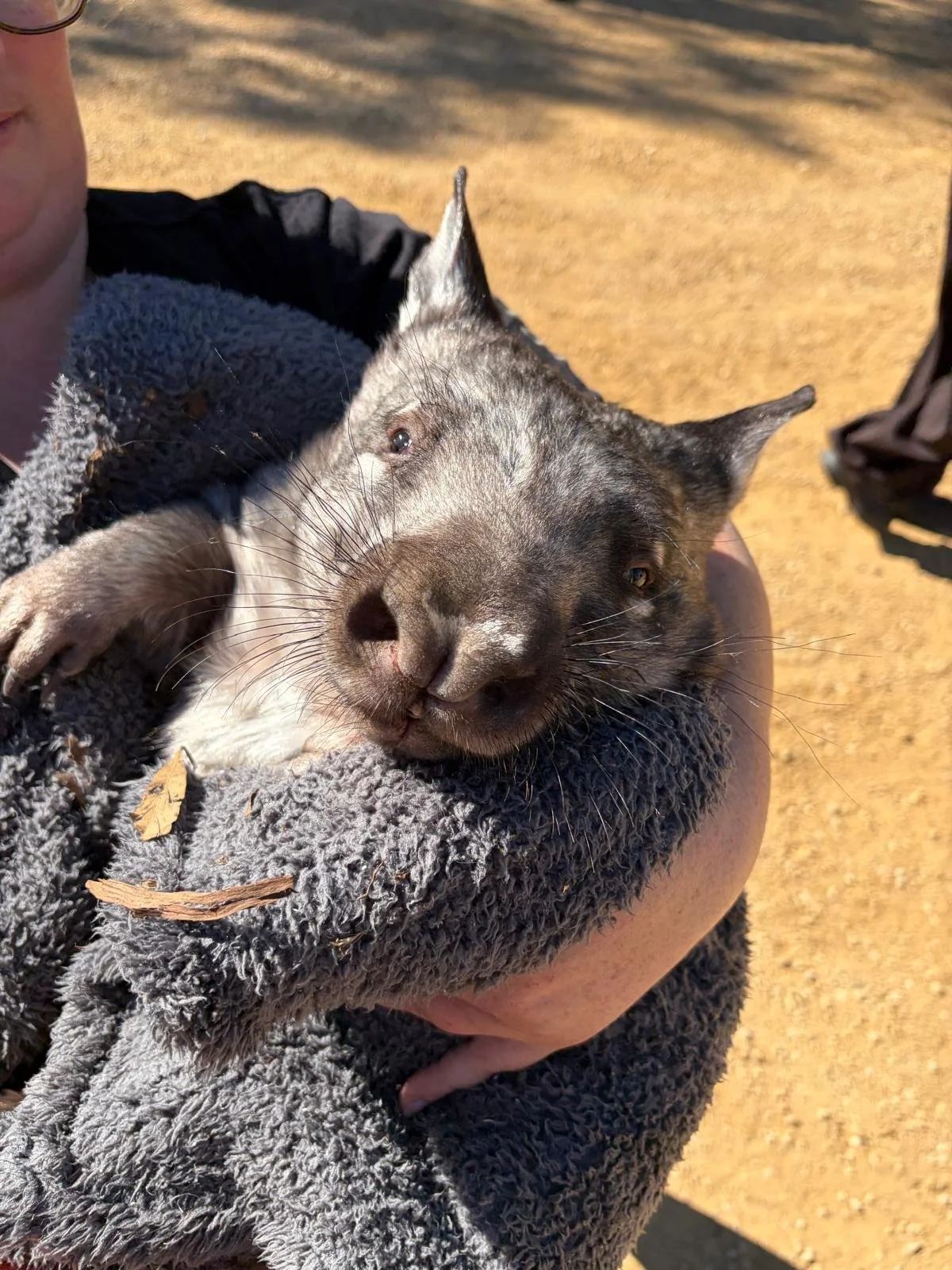
SKER: working together on the frontlines
As part of the National Tour, our team also spent time with the incredible crew at Southern Koala Echidna Rescue, working alongside Dr Jackie Reed and team, along with local carers to support wildlife in need.
An older koala, found low in a tree and looking unwell, was brought in for assessment. Our veterinary team identified dental disease and past injuries, removing a loose tooth and providing pain relief, with the koala continuing to be monitored in care.
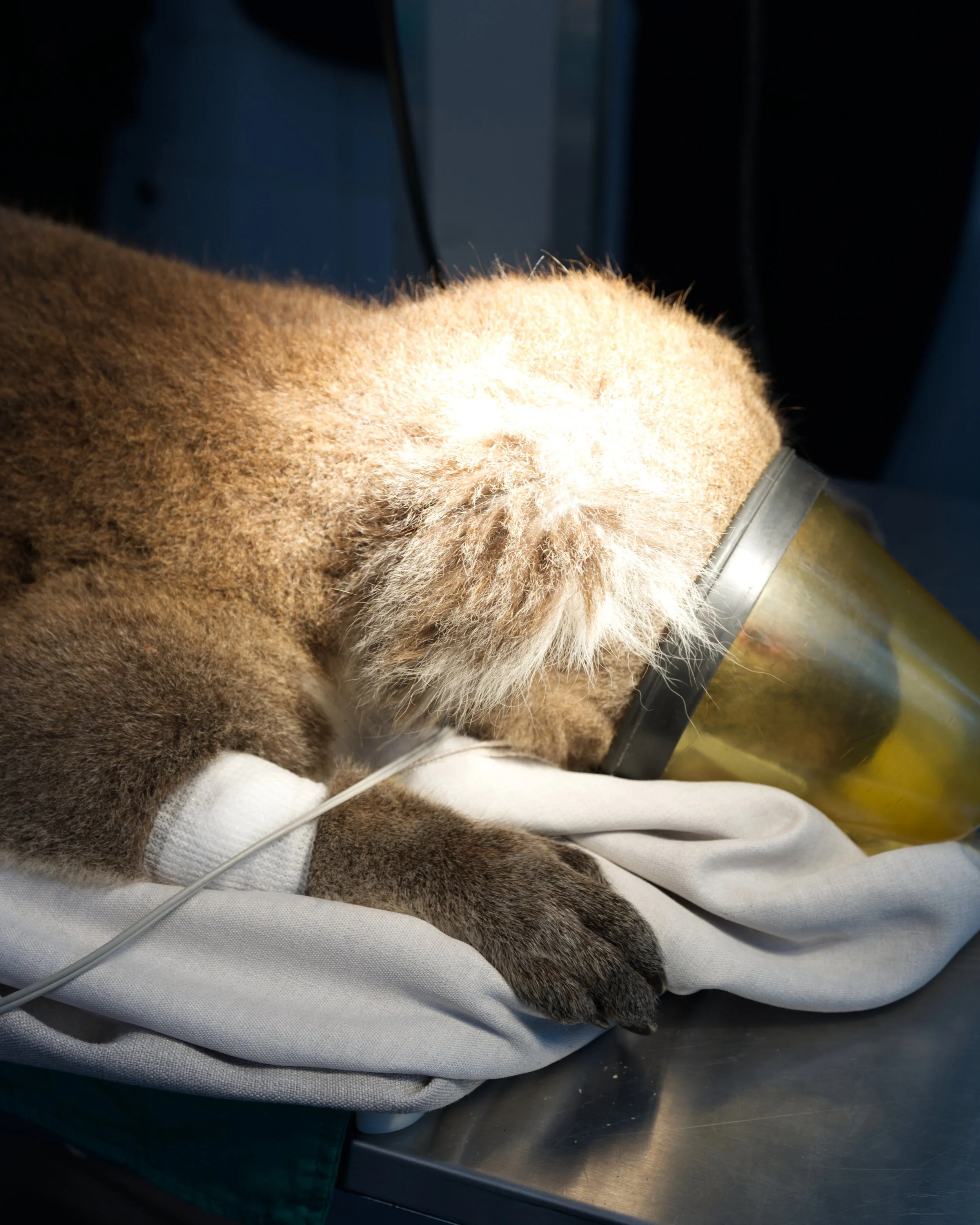
Image by: Lyndal Redman
A pied cormorant, brought in by Wildlife Welfare Organisation after becoming entangled in a chain-link fence, underwent a full health check and blood testing and was safely cleared for release back into the wild.
We also saw a wombat in for a routine post-surgery check, with a general health assessment confirming everything is healing well.
Across every stop, we are reminded that behind each animal is a network of dedicated carers doing everything they can to give wildlife a second chance.
Next stop: Strath Creek
We’re continuing the journey into Victoria, where LnLz Wildlife Care & Rescue will be hosting us as part of the National Tour, supporting wildlife carers and strengthening wildlife care systems across the country.
📍 Strath Creek, across the road from The General, 8 Glover Rd
📅 Saturday 18th April
⏰ Open from 10am to 2pm
If you are a wildlife carer with a native animal in need of assessment or treatment, please submit an admission request here in advance to secure a booking.
Why this work matters
Behind every animal is a network of passionate, often volunteer carers doing everything they can to help wildlife survive and recover. This is exactly why we are advocating for a National Framework to ensure every wildlife rescue organisation has the support, resources and funding they need.
If you would like to support this work, you can add your name here:
Thank you for being part of this journey. Your support helps make moments like these possible.
#ForTheWildlife