

Responding to the impact of ex-Tropical Cyclone Narelle, in Exmouth
Content warning: some images may be distressing
On Friday March 27th, Tropical Cyclone Narelle struck the coastal town of Exmouth in Western Australia, the gateway to the UNESCO World Heritage-listed Ningaloo Reef.
Local wildlife rescue organisation Balu Blue Foundation braved extreme conditions to locate, rescue and treat affected wildlife with little to no support or resources. Thousands of animals washed ashore in critical condition or were lost. Entire nests of unhatched turtles were destroyed, seabirds were left exhausted and waterlogged, and marine life including dolphins, seahorses and sharks were stranded on beaches, unable to return to the ocean.
At the same time, Wildlife Recovery Australia Hospital, Matilda, Australia’s first and only fully equipped mobile wildlife hospital, was travelling across the Nullarbor Plain as part of our National Tour. On Monday March 30th, we made the decision to divert to Exmouth to provide urgent veterinary care. However, we were placed on standby in Perth for over a week while awaiting permission to enter the region.
While waiting for access, our team partnered with WA Wildlife, one of our National Framework consortium partners, to provide immediate support where it was needed. Working alongside their team, our Byron Bay Wildlife Hospital veterinarians assisted with the treatment of injured, unwell and orphaned wildlife, contributing to triage, diagnostics and surgical care. This included performing orthopaedic surgery to repair a fractured wing in a galah, as well as stabilising a Western snake-necked turtle with significant shell and jaw injuries, enabling ongoing care and recovery.
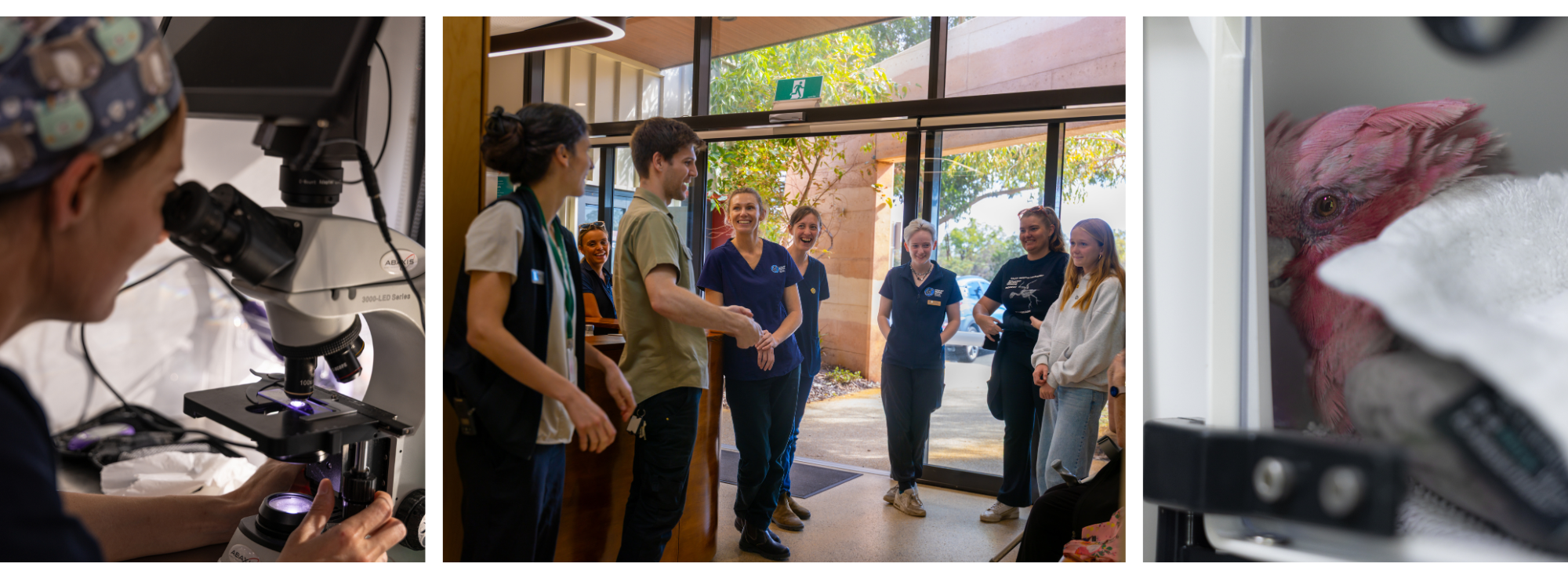
WRA team visits WA Wildlife. Images: Alexander Forrest
We also had the opportunity to spend time with WA Wildlife’s facility, learning how their hospital integrates treatment, rehabilitation and community education. From black cockatoos to reptiles and dingoes, their resident animals play an important role in building public awareness and connection to wildlife conservation. This collaboration reflects exactly what a coordinated, well-supported national system could achieve.
On April 4th, we were finally given clearance to deploy. With the generous support of private benefactors, our veterinary team was flown to Exmouth to provide immediate treatment to wildlife already in care and assist with on-ground searches for survivors. Two days later, Matilda arrived to support the response.
Tragically, by the time access was granted, no surviving cyclone-affected animals were found. With time lost, nature had already begun its own clean-up process through natural predators like silver gulls and crabs.
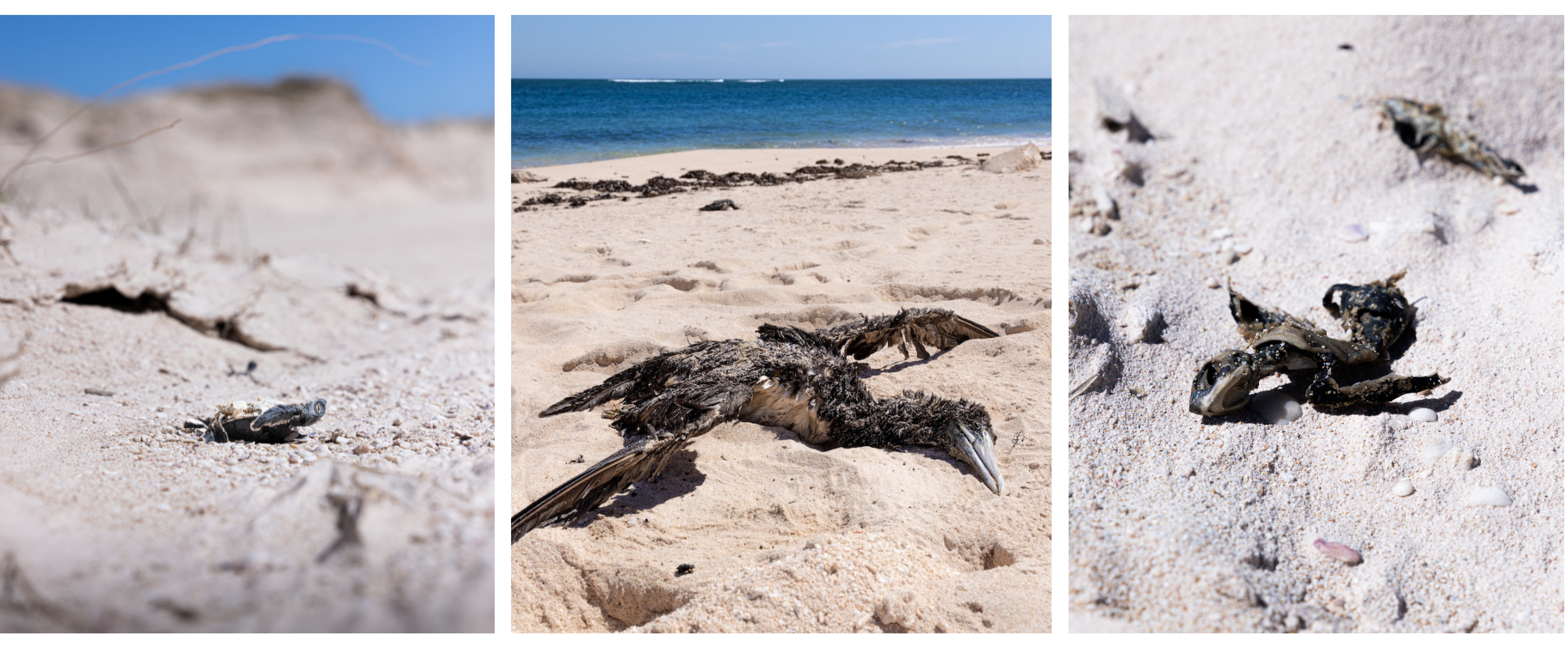
Exmouth post ex-tropical cyclone Narelle. Images: Alexander Forrest
This is exactly why change is needed.
When we launched our National Tour five weeks ago, our goal was clear: to advocate for a National Framework for wildlife, where state and federal governments commit to properly funding wildlife rescue, treatment and care across Australia. Because when disaster strikes, wildlife cannot afford delays. Support the National Framework here.
Even outside of disasters, the need for timely care is constant. During this same journey, our team treated a young emu found with a moderate limp and swelling in its toe. With a simple course of antibiotics, carefully administered in food and taken well by the patient, this juvenile has a strong chance of recovery. It is a small but powerful reminder that when care is available at the right time, outcomes can be transformed.
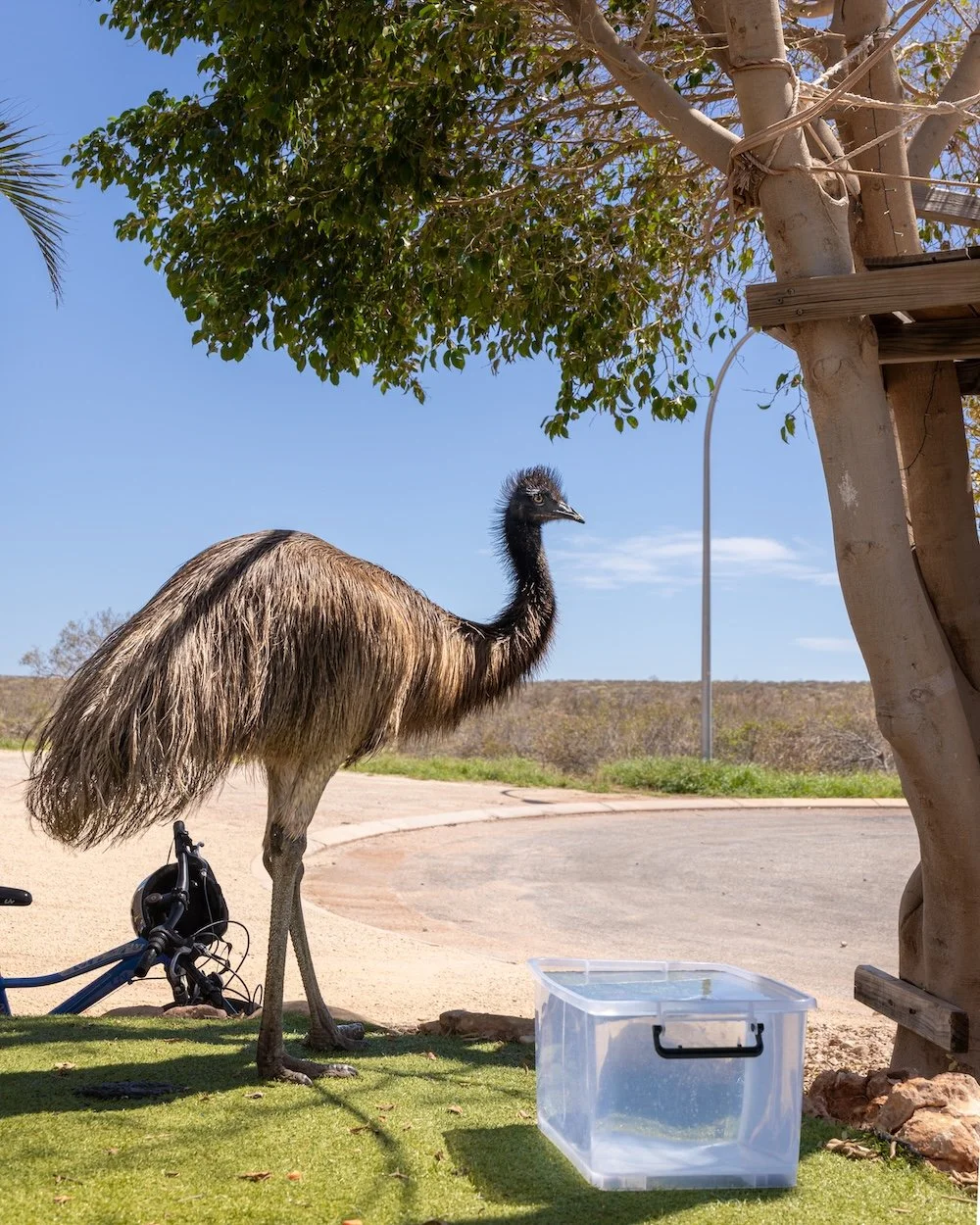
Image: Alexander Forrest
We know what is possible. Now we need the systems in place to make it happen, every time.
Thank you for following along and being part of this journey with us.
The Wildlife Recovery Australia Team