

A season of care: 439 wildlife patients in two months
Spring brings new life to the Northern Rivers, but for wildlife it also brings challenges. Young animals lose their nests or parents. Reptiles become more active. Everyday journeys across roads and through backyards can end in serious injury.
At Byron Bay Wildlife Hospital, the change of season was reflected in a growing demand for care. Across August and September 2026, 439 animals were admitted, each with their own story and need for help.
September alone brought 259 patients — 79 more than August, an increase of almost 44%. It was our busiest month since January, averaging 8.6 new admissions a day.
Behind those figures is the work of our veterinary team, staff, volunteers and the region’s wildlife carers: assessing injuries, providing treatment, feeding patients, cleaning enclosures and helping animals take their next steps towards recovery.
Roads remain the leading threat in our admissions
Vehicle collisions were the leading recorded cause of admission in both months. In August, 50 animals arrived after being hit by a vehicle. In September, that number rose to 69.
That is 119 animals in just two months.
Birds accounted for 49 of September’s vehicle-strike patients. Four of the six echidnas admitted that month had also been hit by cars — a reminder that animals moving through the landscape during breeding season face dangers close to home.
These figures give a local face to the wildlife road toll. Taking extra care behind the wheel and watching for animals crossing can help make those journeys safer.
The risks in our backyards
Animal attacks accounted for 25 admissions in August and 31 in September. These figures include attacks by other wildlife as well as pets.
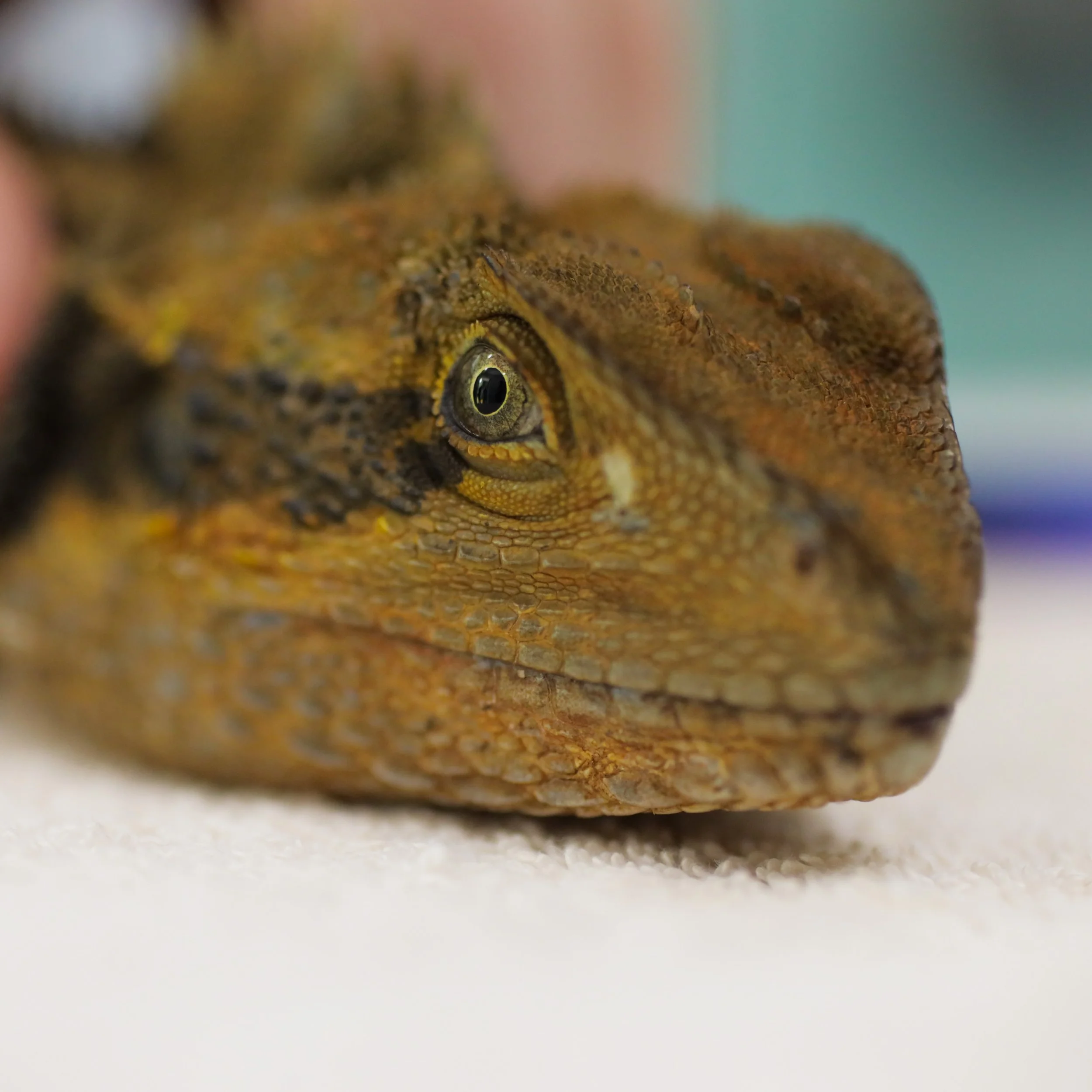
In September, 12 patients had been attacked by cats and nine by dogs. Reptiles made up 17 of the month’s 31 animal-attack victims, mostly water dragons.
Reptile admissions rose from 30 in August to 47 in September as the weather warmed. For animals moving through gardens and shared outdoor spaces, encounters with pets can have devastating consequences. Keeping cats contained and dogs supervised is a practical way to help protect local wildlife.
Buildings were another recurring hazard, with 23 building-strike admissions across the two months.
Small patients, substantial needs
September’s caseload included 40 fallen nestlings and 19 orphaned animals. Together, these young patients represented almost one in four admissions.
Twenty-four of them were transferred to wildlife carers for ongoing care. Their journey shows why the connection between the hospital and specialist carers matters: veterinary treatment is often one stage in a much longer recovery.
Birds made up 175 of September’s patients, with Australian magpies, noisy miners and laughing kookaburras among the most frequently admitted species. In all, the hospital cared for 81 different species that month.
Recovery, resilience and difficult decisions
There were encouraging steps forward. September’s reported releases totalled 23, compared with 15 in August. Fourteen animals were released directly by the hospital in September, including an echidna from Broken Head, a duck that had swallowed a foreign object and a kingfisher injured in a building strike. Wildlife carers reported another nine releases.
All five marine turtles admitted in September, including an endangered loggerhead, moved on to rehabilitation. This followed a difficult August, when six green turtles arrived stranded from the Iluka, Yamba and Woody Head coastline, and three died in care despite treatment.
The work also involves heartbreaking decisions. Some animals arrive with injuries or illness from which they cannot recover. Humane euthanasia is an essential part of preventing further suffering. Monthly outcome figures need to be understood alongside the severity of patients’ conditions, and transfers to carers represent ongoing care rather than confirmed releases.
A community effort, for the wildlife
Every admission depends on people noticing an animal in trouble and helping it reach care. In August alone, our patients came from 80 localities, brought in by wildlife rescue organisations, community members and our own team.
As part of Wildlife Recovery Australia, Byron Bay Wildlife Hospital works within this wider network to give wildlife access to veterinary care and the best possible chance of recovery.
To our staff, volunteers, rescuers, carers and supporters: thank you. Every treatment, transport, feed and clean helps make this work possible.
Help us be there for the next wildlife patient. Please donate to support Byron Bay Wildlife Hospital — and help keep wildlife safe on our roads, in our backyards and across our community.